Advice from the baffling publishing industry

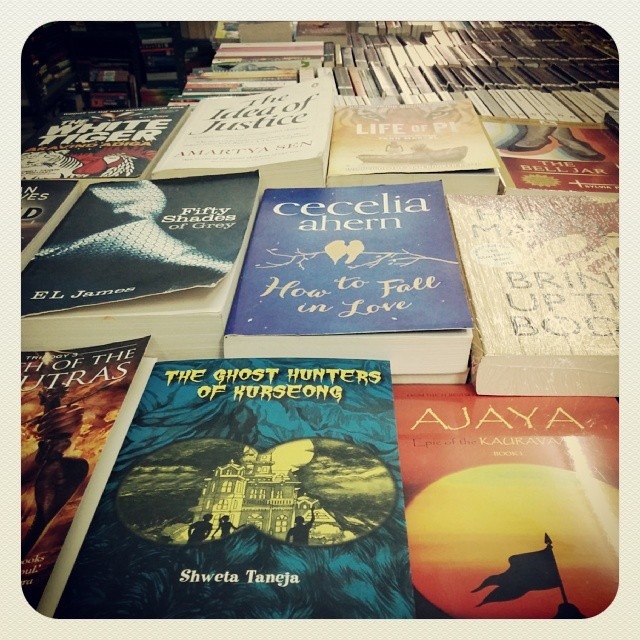
It’s been three years since I began writing stories as a profession. I have had three books published so far: The Skull Rosary, The Ghost Hunters of Kurseong, Krishna. Two of these released in 2013. Needless to say, I feel good.
1549447_10152533313688146_1816909394_n

I started writing without any knowledge on how to writehow to edit, what and where to edit, how to send a proposal, where to send a proposal, who to connect to,  who to approach for getting published, or how to market my books. I have learnt everything all thanks to countless blogs of helpful writers, and advice from writers, authors, editors, publishers that I have been lucky to have found. Of the advice I have received, some has been well meaning, some funny to downright hilarious, insightful, offensive or kind. Here is some of it:

Change your surname: Yes. I got that. A publisher over a cup of coffee told me to change my name and surname and make myself sound Bengali or Anglo-Indian if I wanted to get published in India. Fine, it was a joke and I didn’t really take it seriously but jokes always have hidden truths. Right? So how many of you have seen a book, read book’s back cover, seen the author’s surname and made humongous assumptions about him/her? I bet a lot. No wonder actors change their names, how their names are spelled and their affiliations in Bollywood. And the fact that astrologers are doing so great.

Write more to make money: When I asked a helpful author over email on how he was making money (yes, I can be quite upfront about these things on emails), he told me he wasn’t till the first five books of his got published. But slowly, as little money trickled from each of the book (and believe me, most of it will be littlebee trickles), he’s started to make some moolah. But not enough for designer clothes or big cars. Just enough for survival, a jhola, a glass of wine and not being dependent on anyone. So there. Accept this fact (no Bollywood doesn’t enter the picture) and move on.

Continue to write and write: Advice through a short sweet tweet when I asked KP Singh (Raisina Series) what he did to market his own book after it was published. I personally discovered him not through any reviews / media interviews / friends advice / literary fests, but at a bookstore. I picked up his book because I liked what I read on the back cover. Not because I had heard of him, thought he was cool, liked his name or his  face (sorry, Singh!) If that’s how books get picked up, maybe you need to rethink on that marketing, fellow authors.

Give back some advice: When I thanked, Zac O’Yeah, a well-renowned author for his kind email and advice on writing and publishing which I desperately needed, he gave me another to follow. He told me to continue the circle, to be supportive to authors or writers who approach me, tell them how they can get published, guide people, guide people to fulfill their creative ambitions. And this is one advice I intend to follow. I am not saying that I know a lot about the industry, but whatever I do, I would love to tell you all. I would love to connect you, tell you how to connect with publishers, what to write in proposals (though sorry, I can’t tell you on what to write about). Because we are in the same boat, you and I. Both of us want to bring alive a part of our dreams.

Readers can tell you when something’s wrong, but not what: This came from a blog of one of my ever fave writers, Neil Gaiman. Primary readers (and it’s essential that you get your book read by some) can tell you there’s something wrong in your book, but when you ask them what it is, most probably they will point out to the wrong thing. Don’t ask me why that is, it is. Neil says so. And I know it is so.

You’re published, now sell: That was helpful advice from a publisher. The baffling Indian publishing industry is the only one where the publisher can happily shirk off from the majority of work involved in marketing the book. It’s like a pen-manufacturing company asking the designer of the pen to sell the pen in the market. I don’t know why it is as it is, but it doesn’t look like changing. An author friend told me it’s because publishers don’t have much money to market each book. You should be thankful that they are producing and distributing it. Yes, but they also tend to keep 90% from sales, so they should market all the more, right? Have no clue why that logic doesn’t work in this industry (read the heading). According to me, the books are left in the hands of authors to market, who frankly totally suck at marketing. They have no clue what to do, which is why great titles are completely missed.

Media coverage + lit-fests = your books will sell: This came from a PR friend and lots of other well-wishers I went to after the above advice, desperate to figure out how to market my book. And I did fall for it. Most of it though is bull (Yes, I believe it. Yes, I believe it. Yes, I…). Though this is the game that a lot of authors seem to play. Yes media coverage feels good for the ego, but very less readers actually pick up your book when they read about you in the newspapers. They pick it up because 1) friends recommend it, 2) they like the cover, like the backcover, like how a couple of inside pages read 3) have read your books before. As a debut author, readers don’t know you. It’s better to push your book slowly and patiently in specific groups rather than blast it onto media. And wait for the lit-fests to come to you after one of your books has become successful. For all these will happen AFTER your book gets a few readers. So focus on getting readers, one by one, one book by one book. Of course nothing is stopping you from playing the game, but remember if the game gave all winners, all books would be bestsellers. Well, that’s my opinion on it now. But let’s see what 2014 brings in.

Media coverage / sales for Book 1 means you ensure a contract for your next: Got this from another marketing expert. Nopes doesn’t work. A publisher will reject your next book (unless you are like super duper author), even if book one with them sold well and you frequent page 3 parties. Why? Because the editor might not like the book or it might be a completely different genre like mine was. Nothing to do with you as an author. My debut book, The Ghost Hunters of Kurseong, was accepted by Hachette India through an email submission, from the slush pile, without any agent/connection or media coverage. The editor told me this was the one book in 2012 that they picked from the slush pile. My second book was rejected by Hachette and many other publishers, even though I had made a sort of a name for myself in the industry. Reason? Because it didn’t fit their type of books and the genre was different. And now it’s found another publisher as well. The game goes like this. So there’s no surety on a contract for a book, not even when you make it HUGE. Better to go back to writing.

You’re as good as your last: Neil Gaiman again. (Love that guy!) Even if you dish out the next bestseller, when you go back home horribly drunk and giddy and plan to write your next big seller, you face the empty whiteness of your word document and the silence of no keys plonking, alone. No amount of success, praise, media coverage, people can help you write a better story next time, or give you a great story idea . So be thankful for all the ideas that are swimming in your head and meanwhile, keep writing.

It’s a shitty line of work. Quit: This one was from an author who struggled for quite a few years, with great books out, but not enough sales. This was also two years ago. Now he’s become a best seller and made it huge internationally. I don’t know if he remembers this advice, but I do. And I am going to ditch it. Not because I hope I will make it huge someday like him, but because I seriously can’t stand that Anantya Tantrist wriggling in my head and want to get rid of her by writing her series. (More about that, soon).

That’s it for now, folksies. Will add more as and when I remember the advice.  Happy 2014 ahead.
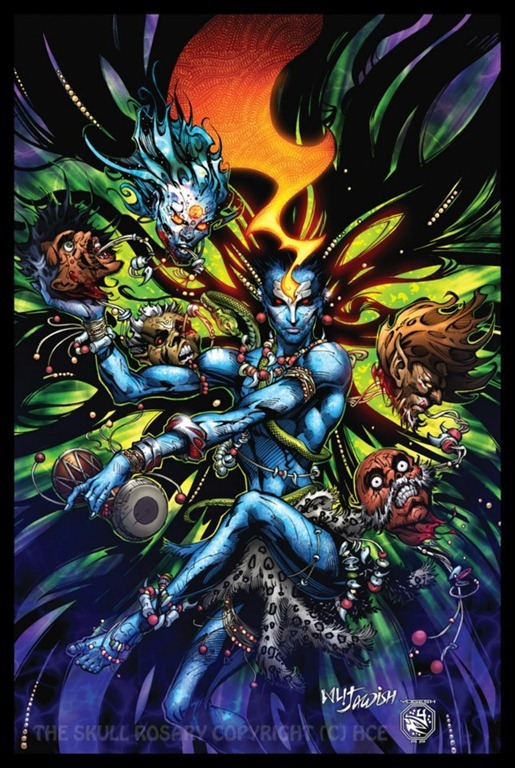
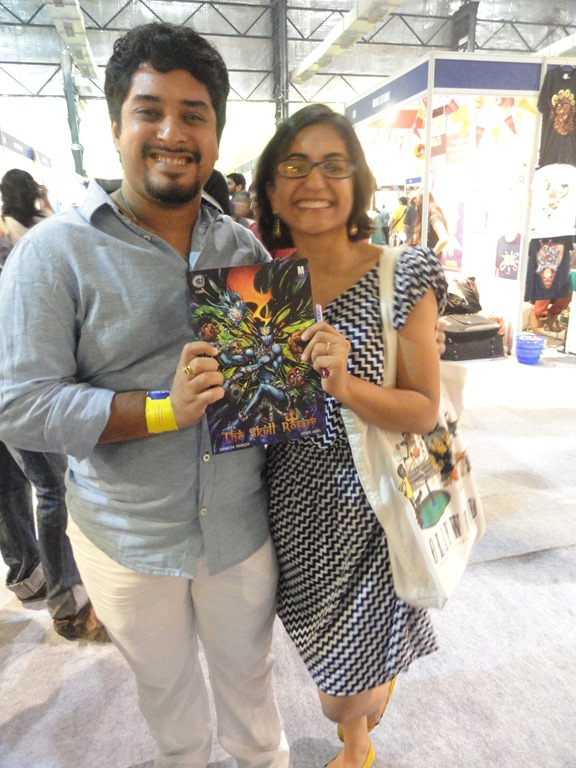
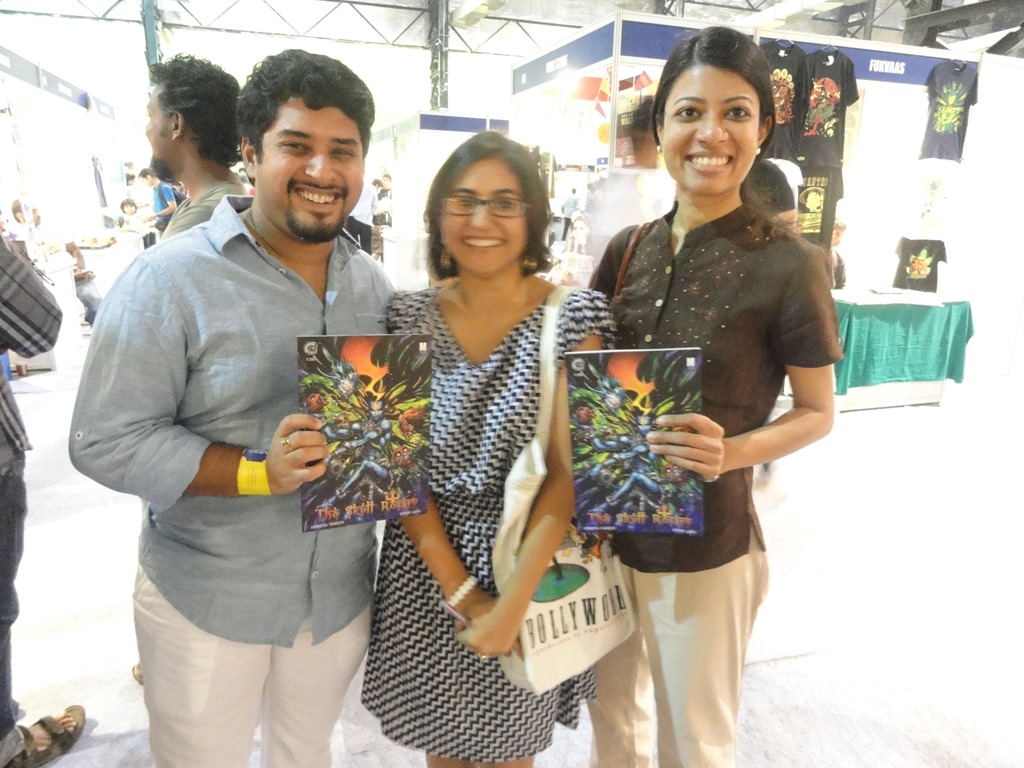
The Skull Rosary, oh yeah!

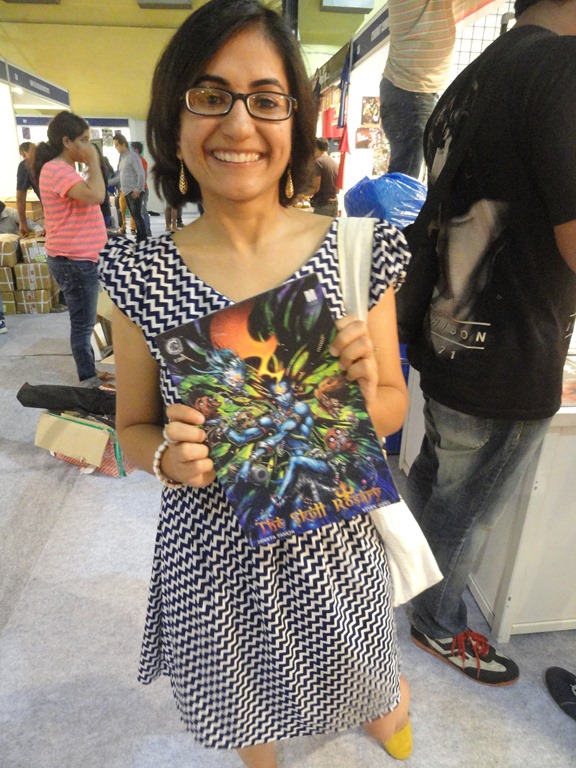
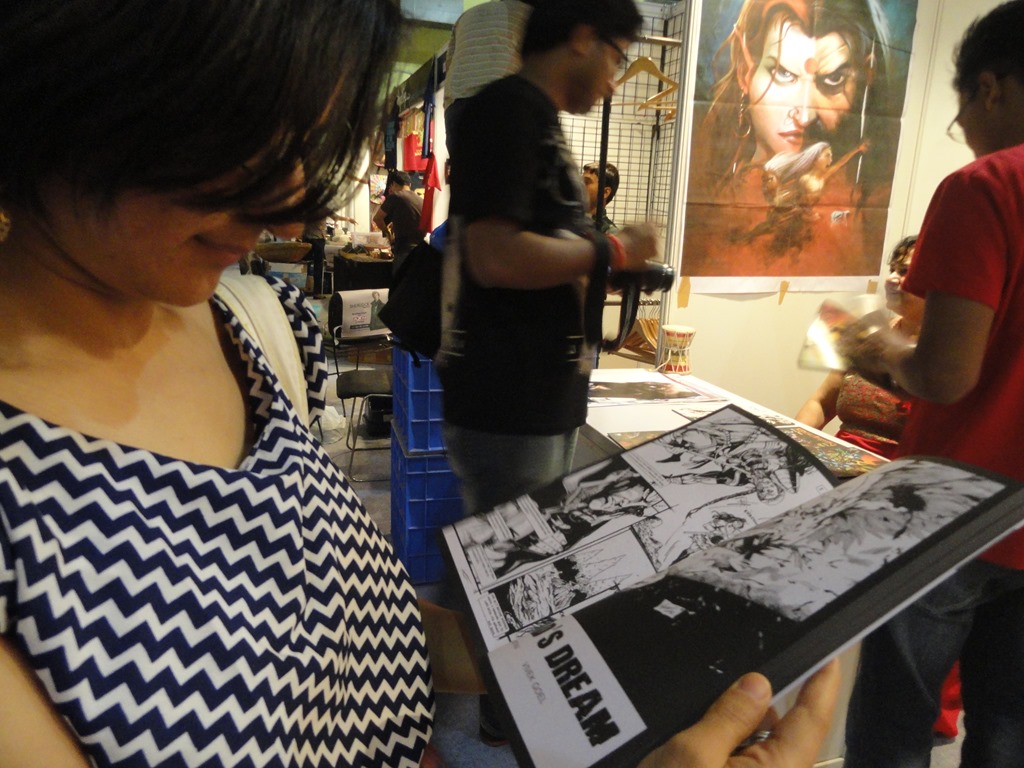
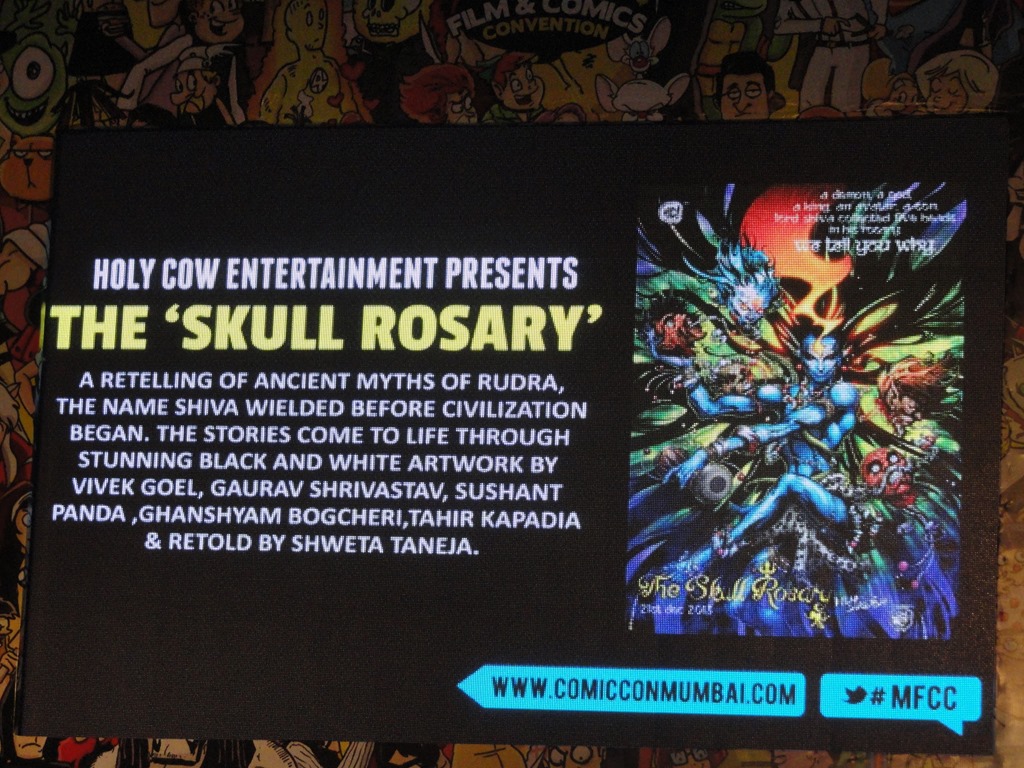
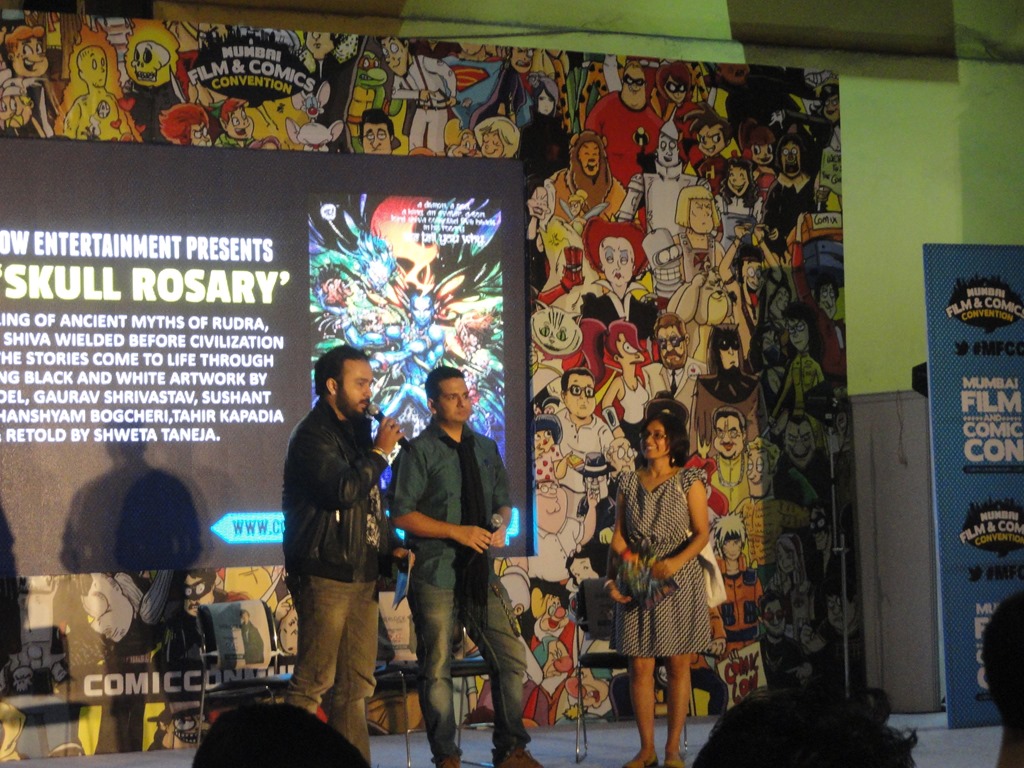
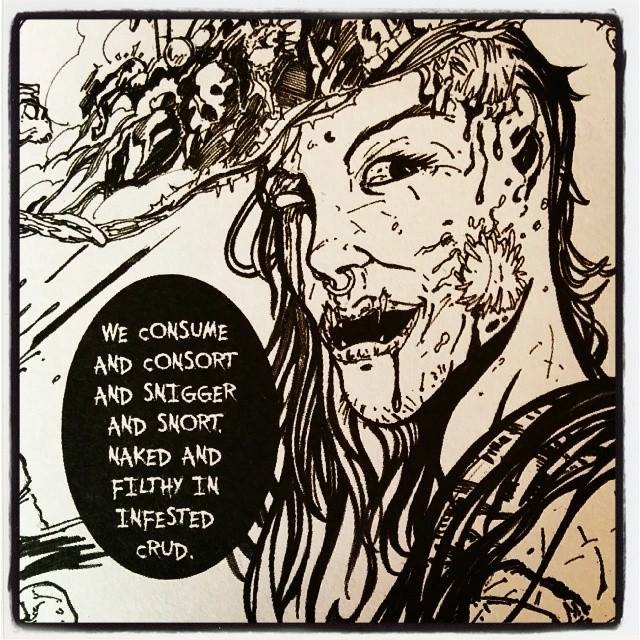
2013 has been spectacular for me in many ways. Krishna launched in 2012 and has been flying off the shelves in 2013. My debut novel, The Ghost Hunters of Kurseong released earlier this year in August and is getting young fans. And I finish the year with the launch of my graphic novel, The Skull Rosary, which has one of the most spectacular covers I have ever seen (created by Lalit Sharma and colors by Yogesh Pugaonkar). Vivek Goel, friend, artist and owner of Holy Cow Entertainment, has done a gorgeous job with the book by using matted paper inside so that the black and white inks shine through. Don’t believe it? See below. For an inside look, head to The Skull Rosary Page.

227941_554452571239444_1510919001_n2


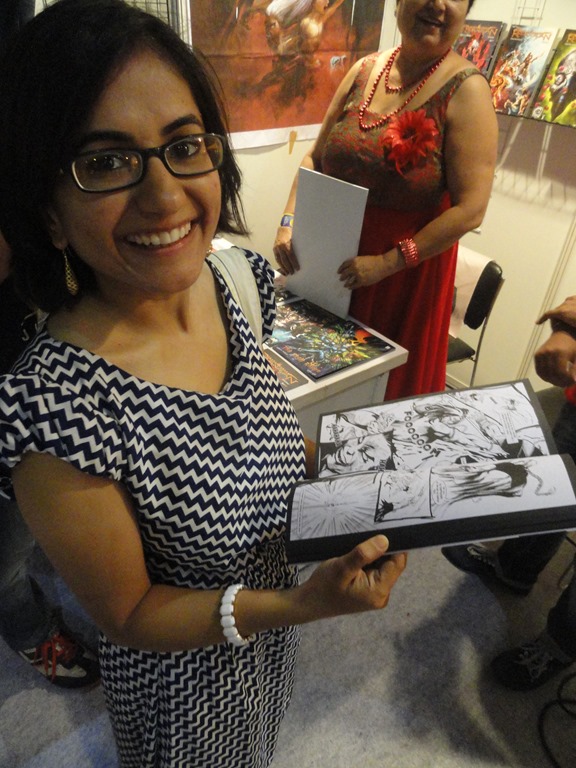
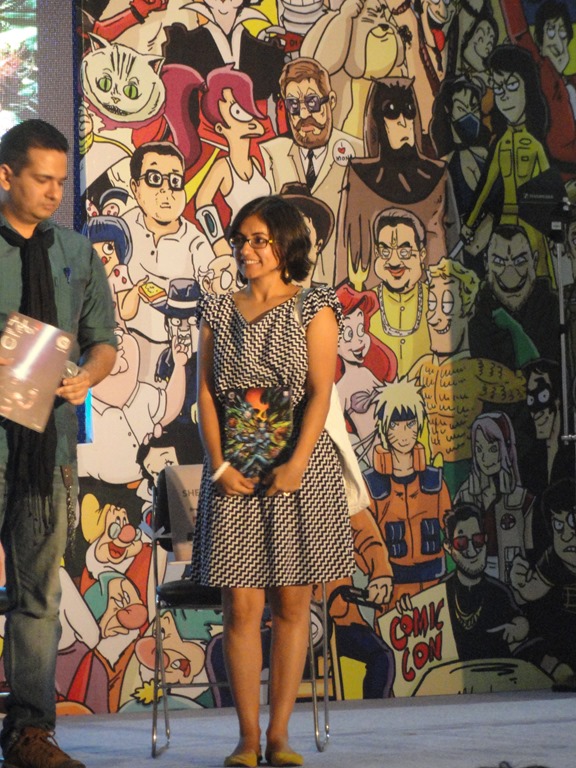
I have already written about what’s inside, so wouldn’t repeat it. This blog is about the fun I had at Comic Con Mumbai. Some friends came over, travelling especially to be at the book’s launch. I remain super touched about them taking out time. And when there, I made some new, really nice friends as well. But then Comic Con’s are all about that. Isn’t it? Am super happy, as I bet you all can see from the pictures below. Overall, awesome fun was had.

DSC09854 - CopyDSC09856 - CopyDSC09857 - CopyDSC09859 - CopyDSC09861DSC09811 - CopyDSC09813 - CopyDSC09814 - CopyDSC09844 - CopyDSC09852 - CopyDSC09853 - Copy


And a rather shaky video of the launch with Mihir and Vivek.

The necessity to talk of things taboo

I recently went to Comic Con Mumbai to launch my graphic novel The Skull Rosary. The week before it was maddening; last minute edits, waiting, back and forth and the general nervousness before anything goes to press. The one thing that struck me, and struck me hard again and again was a sense of self-censorship that we as creators – me as a writer and Vivek Goel as an artist as well as the publisher of the book –  were applying to the book. We were all slightly scared, of putting out things that might offend. And in a book which was made to offend, we softened things that shouldn’t have been softened and loaded it with disclaimers. I bet we will still get some angry emails and posts and tweets. After all, self-righteousness is fashionable in the society.

1486799_10152525500618146_1774247173_n

Talking about transgression, or things that are taboo, that deviate from the norm is important today for us as creative people and for readers. Especially since we as a society are becoming so rigid, so unacceptable of other point of views recently. Upon just seeing The Skull Rosary’s summary, a journalist asked me if I wasn’t skeptical that this book and the way we portray Shiva and other deities will cause protests. Because protests by those who think their religion and moral stance is better than others’ is a done thing in our society and happening a little too often in our country. I answered yes, sure. Everytime some boundaries are breached, some people have a problem. You can’t help that. But as a storyteller I am willing to take the risk because stories have always been and will always be about questioning the status quo, to become a mirror to the society.

As a creative person, it’s not a choice for me to break boundaries. I write, I create because I want to break boundaries. I want to question the status quo, to force myself and the readers to look at our own filth, to touch it, gobble it, taste its grubbiness.  I feel it’s my duty to transgress in everything I create, to explore the darkness inside and outside of us. For if that doesn’t happen in stories, then how will change happen? How will we progress? Move onto something new? Become (if it’s possible) better?

The Skull Rosary for me was all about exploring taboo subjects. The idea behind all five of its stories, whether its dialogue or art was to break down boundaries, both of the story and of the graphic novel as a structure. Brahma’s fifth head explores the issue of incest and is written in verse form because rhythm touches the soul in a way language can never do. So you have poetry which was inspired by the Greek Furies in comic format. The blind demon is the story of Andhaka who is blind and consumes by the desire to see. What happens when you get consumed by a desire? When it eats you up whole? So much so that you can cross any boundary to get there? Prahlad’s dream even explores what happens when a god gets drunk with desire. Then there’s the Oedipal complex, where a son desires his mother. That’s in The Other Woman. In Goat Head, a king lets his daughter die because for him a status in society is more important. These stories explore our filth, our dirty secrets and our evil sides.

Shiva to me represents everything that’s taboo in our society. He teaches us to accept everything, even those in the fringes. He’s okay with murderers, thieves, sexual deviants, prostitutes. In other words he is the guy to go to if you are on the fringes of the society. And in a society that is shrinking in acceptance, more and more people are going to the fringes, to that which is considered unnatural, taboo or unacceptable. Hello, Section 377 anyone?

On another note, the novel I am writing currently is also feeling the pressure to be self-censored. In every sentence I write, the censor board in me tries to soften the crassness, the violence, the frustration, the expletives. Sometimes I bow to it, but mostly I try and ignore the moral police inside of me. As I keep hoping that we as a society will learn to do as well.

Digital star wars

Celebrities are fast realizing the power of social networks and are working hard to engage their fans. Here are some lessons you can learn from them…

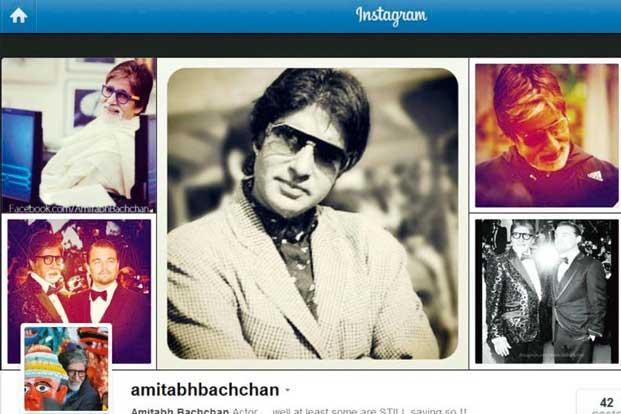
Bollywood legend Amitabh Bachchan has over 8,117,186 fans on Facebook and 7,550,474 on Twitter; at any given point when he logs in to a social networking site, at least 7,550,474 individuals will listen to his opinions and thoughts. And they respond to him, all the time.

amitabha--621x414

Social networks make it easier than ever for everyone to be heard, but real-world celebrities still tend to get the lion’s share of attention. This fan following can make a new release a hit or drive attention to their favourite causes, if they can hold your attention more than other celebrities, of course.

“The superstars can share their personal experiences and get creative in terms of how they want to present themselves to their fans off-screen, which was never possible before,” says Puneet Johar, co-founder and managing director of To The New, a digital services company which has just released a report that compares the activities of Bollywood stars on Twitter. Bachchan has the most followers, and the number has grown most quickly too, at 87% over 2012. Madhuri Dixit-Nene, Akshay Kumar and Sonam Kapoor are among the other fastest growing Twitter users. What can the rest of us learn from this?

Ashish Joshi, vice-president, digital, and business head, Fluence, a digital media company that handles the online lives of Bachchan, Salman Khan and Karisma Kapoor, believes that celebrities really want to increase their digital reach. “One aspect of it is to give something precious to the fans but another important thing that’s there in the back of their head is brands. Advertisers today evaluate a celebrity’s penetration on social media platforms while figuring out a fee for them,” he says.

Keeping it real

photo

Having a social media team doesn’t mean someone else is tweeting for you. “We do not actively control a celebrity’s Twitter page,” says Joshi. “They have to do their own communication. But what our creative team does is build a story around his or her personality, an online story which our sales team can sell to brands as a concept.”

Once they have figured out a story, they guide the celebrity and package the content well. Joshi gives the example of Tuesday Memoirs, a series of Facebook posts where his team uploads pictures of Bachchan from the 1960s, 1970s and 1980s on the sets, or during tours, and writes stories around them. “These stories are precious to his fans, it increases his reach on Facebook, and the artiste loves the engagement it provides,” says Joshi. All posting, blogging, writing is done in consultation with the celebrity, though there’s a team from Fluence which acts on his behalf.

“Web presence has to be personal,” agrees Bunty Sajdeh, chief executive officer, Cornerstone Sport and Entertainment, which handles the accounts and online lives of sportspersons like Yuvraj Singh, Virat Kohli, Rohit Sharma and Sania Mirza, and actor Sonakshi Sinha. “That is what the fans want.”

Updating Twitter, Facebook and other accounts every day, multiple times a day, is a full-time job though, and not something most celebrities can actually manage. “Virat Kohli tries to keep it personal but we have to help him out a little since he can’t give the fans enough due to his busy schedule,” says Sajdeh. His team keeps more than two million Twitter, and nearly 4.2 million Facebook, fans happy by ensuring all his activities are posted online, but Sajdeh says the actual interaction with fans remains strictly with the cricketer.

Ashwin Sanghi, author of The Krishna Key, who has over 100,000 followers on Twitter and nearly 600,000 on Facebook, says he uses automated tools to keep on top of social networks. He uses an app called Buffer to send updates he has saved in one block every half an hour. “I check Twitter only once in three days to check replies,” Sanghi says.

He adds that it’s important to distinguish between the networks. Facebook is for books and events, YouTube is for uploading lectures, Flickr has photos and Google+ has the articles he writes.

Faking it

The desperate desire for a fan following could lead a celebrity to buy followers and likes. A big following can make a difference, allowing a celebrity to get the next big project, movie, or sign a new deal. It can even make you a celebrity, as it did in the case of starlet Poonam Pandey(@ipoonampandey), who has over 450,000 followers on Twitter. “Paying for likes is foolish,” says Sanghi. “An inflated following might satisfy your ego but will give you no sales. It’s only valid for those who want to show to the world that they are being followed by a large number of people.” Fake likes and followers are so prevalent though that Facebook, Google and Twitter are trying to filter them out.

“For a celebrity, the number of likes and followers is extremely important as most brands check out their online engagement,” says Joshi, “but fake likes just doesn’t make sense. The engagement and reach is pretty low and platforms like Facebook now show how many likes you have and what’s the number of people who are talking about you.” He believes that it’s parameters like reach and engagement, rather than just numbers, that most advertisers are now looking at before signing a celebrity. After all, for a fan, the whole idea is to get closer to the star.

Show me the money

In October, Fluence, along with Twitter and ZipDial, a mobile marketing service, ran a campaign around Bachchan’s birthday. A fan who wasn’t on the Internet could give a missed call to follow the handle @SrBachchan and receive tweets on SMS. “It was a win-win situation, for us, the platform and the fans,” says Joshi….

Read the complete story on Livemint.com

My most cherished review

It’s great to see your book’s reviews and your interviews in the media. It’s good for the ego. But what brought tears to my eyes was not a mention in the papers, but an email. It is a special email for me. It’s from almost 11-year-old Medha, a student of Sardar Patel Vidyalaya. She attended the first detective workshop I did in Delhi in her school. After going back home, she ordered my book and then read it whole. And she emailed me.

For me, this was the first confirmation that the detective workshops are bringing the characters of my book alive for kids. This was also my first fan email from such a young fan. And let me tell you, if you haven’t had a 11-year-old appreciate the work you do, you haven’t seen nothing yet.

Posting her email with a huge smile here.

Hi, I am Medha. I attended the Bookaroo workshop which was held in Sardar Patel Vidyalaya. I read The Ghost Hunters Of Kurseong. 

IT IS THE BEST BOOK I HAVE EVER READ!!
It was a really nice mystery and I kept guessing the culprit until I read the conversation between Mr. Saki and Inspectorji. It was fun to read.
Please write back i am a big fan of yours!!
warm regards


I have written two emails to her already. I hope she replies back again. For it touches my heart so.

UPDATE: She replied back and we are conversing back and forth. Here’s something else she told me which made my day:

“Most of my friends have your books.They all loved it very much! Many of my classmates are reading it right now. Please keep writing more books like this one it was awesome!

Thanks Medha, you make my weeks!


Making detectives of children

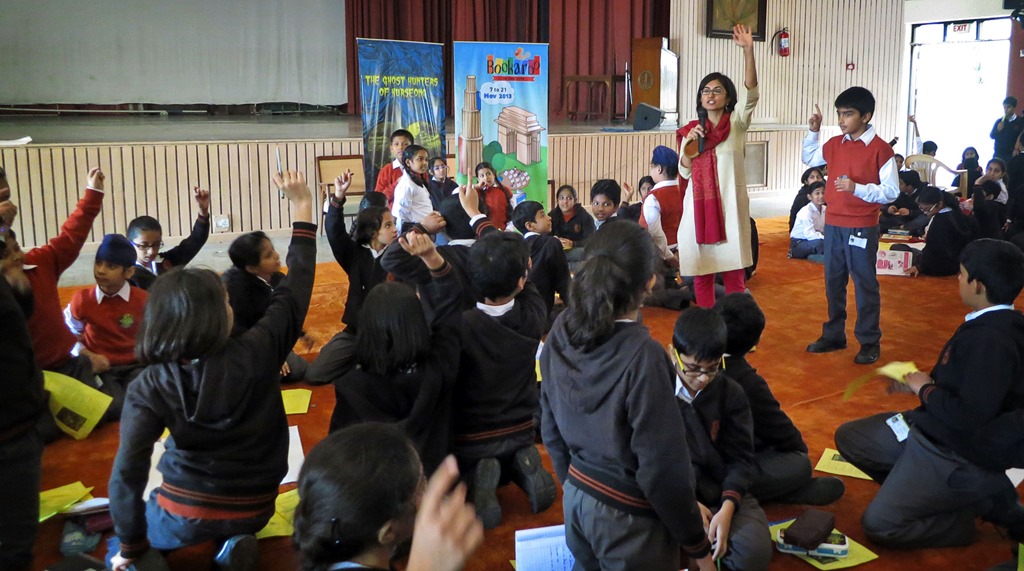
Let me confess something first. I might have written books (one novel and two graphic novels) for kids, but till now hadn’t interacted with them much. Not the ones who are in the 9-13 years of age. Actually, not many at all. For writing, I had used the kid inside me. So when I committed myself to doing detective workshops at schools with Bookaroo, I had a whole week of sleepless nights! If I haven’t handled one kid, how would I deal with 100+? Would they get the mystery I had created? Would they like solving it? Would they be bored and fidgety? My first workshop at Sardar Patel Vidyalaya had more than 200 kids. It was a riot, but a happy one. (Read Bookaroo’s blog on it here).


View albumView albumView albumView albumView albumView albumView albumView albumView albumView albumView albumView albumView albumView albumView albumView albumView albumView albumView album

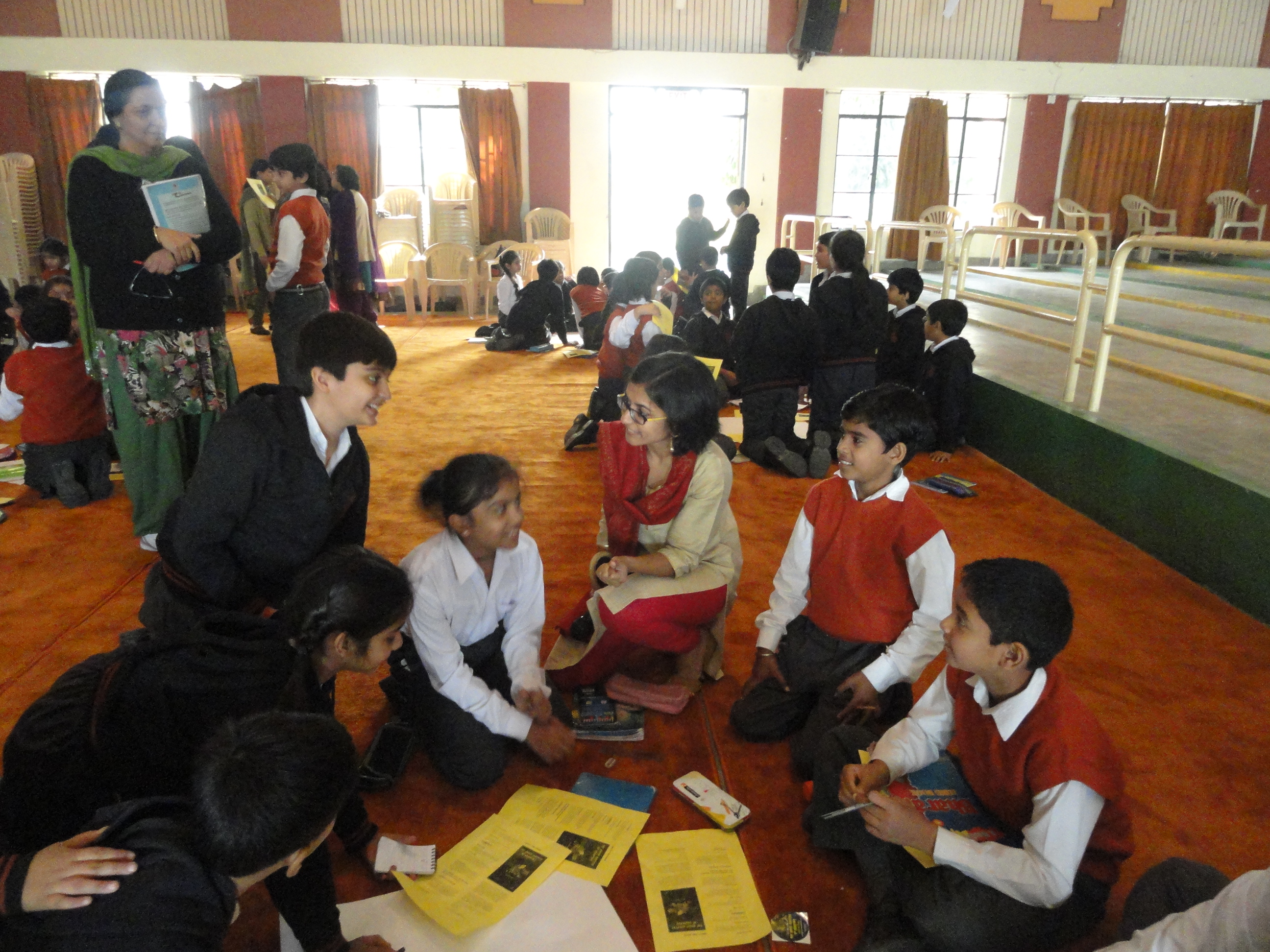
I wasn’t sure the workshop will work, but after four workshops in Delhi and one in Bangalore, in conference rooms, libraries and open grounds, and book stores, I see that like me, all kids love mysteries. Their eyes shine, they huddle in groups and chat and that’s how they solve things. One little girl approached me after the third workshop (Mount Abu School, Rohini) and said in a serious tone, ‘Thank you, mam. I was expecting a boring session where you tell us how to write stories, but the case you gave to solve was so much fun for me. I really, really enjoyed doing it.’

I am quite relaxed about my upcoming workshop in Bangalore. (Have kids? Head here to find out where to come. It’s a free workshop!). But that’s not what this blog is about. This is about what I learnt about myself and the kids while I was doing these workshops.

They love being detectives. Kids are marvelously curious. They like to question, like to make stories for the gaps and if given a mystery, like to solve it. They love donning the detective hats!

They do if they care. There’s nothing more beautiful to see a kid passionate about something. Before the workshop began, I compared them to Kartik the main character of the book, who solves this really complex mystery. Kartik is their age. If he can, they can. This little competitive spirit makes them care for the characters. If they care, they keep their heads down and solve the mystery till the very end. And this passion (see the pictures) makes me smile every time. A headmistress at Ambience School, Safdarjung wanted suggestions on how she could get more kids to read. My impromptu answer was make them more involved. Ask for alternate endings to known books.
They like to do, not listen. Now that’s something I saw in everyone. If you give them too much gyan, they get bored. Keep it short, and let them solve the rest. Which is why this detective workshop format works. It’s they who are doing the work, not me. I just stand by and see and sometimes guide (mostly try and make them question however).

View albumView albumView albumView albumView albumView albumView albumView albumView albumView albumView albumView albumView albumView albumView albumView albumView albumView album

If they like a character, they will read about him/her. School principles, teachers, parents have told me that their kids don’t read, don’t care about books. But here’s one kid, Medha, 12, who sent me this email after I did the workshop at her school: ‘I attended the Bookaroo workshop which was held in Sardar Patel Vidyalaya. I read The Ghost Hunters Of Kurseong and it is the best book I have ever read! It was a really nice mystery and I kept guessing the culprit until the end.’ Someone read the book because they remembered Kartik, from the workshop.

Do they believe in ghosts? No. Yes. Maybe. Ask them if they believe in ghosts and see their eyes light up with curiosity. Kids, unlike us adults, don’t have so many pre-conceived notions of science, superstition and beliefs. Some put their hands straight up, some sneak a look at their friends and some keep their hands in their laps, shaking their heads. Yes, they are open minded, but they are also opinionated.

Kids loves monsters and ghosts. They really do. They love to read about non-human characters (though my book is not completely that. Which made me wonder, why are not more writers writing ghosts stories? I asked them which authors they read and most replied RL Stine or other American authors. Why are they not reading Indian authors?

Winning is important for them. Every workshop ends with some kid or even adult asking: So who won? When I say no one, there’s an anti-climactic feeling, a let down feeling. Has competition become so necessary to our society? Who wants them to win? Themselves or their parents?

My first detective workshop


I plan to write things I have learnt in these workshops about me and about children, but this blog is about someone else’s experience. The multitalented Yirmiyan Arthur, a volunteer for Bookaroo In the City who helped me in my first workshop at Sardar Patel Vidyalaya, Delhi, has written a beautiful piece about the workshop on the Bookaroo Blog . Sharing it here.


Detectives in the making

You put 220 students into a room and throw in a mystery to solve. Not just any mystery, a ghost mystery! What could possibly happen? Yup! Imagination running wild, so wild that it translates as sound and high-energy physical activity. Shweta Taneja is today’s storyteller, the one responsible for stirring up such busyness at Sardar Patel Vidyalaya. She who looks nothing like how I’d imagined a mystery-writer to be (and for this I blame Agatha Christie), she who is queen bee with tiny worker bees fixated on her every word.

shweta-taneja-nov-11th


The children are aged 9-11, bouncy, excited and very eager to be the next ghost detective. They are divided into groups of 12 each and have now to help Kartik (the main character in her book) solve the case of Mrs. Banerjee’s missing diamond necklace. 5 clues are handed out in successive intervals, each quickly digested. The bees then huddle together to discuss. Mystery solving is very serious business indeed!

Our little detectives did not disappoint. Several groups solved the puzzle, except we fell short of time and none could finish their illustrations. With the closing of the session was the opening of the floodgates, children rushing for an autograph from a real writer! Shweta seemed to be overwhelmed with all her little fans (which they were, by the time we were done!) hovering around her. I think she only just realized what a star she’d become Smile

The school then gracefully thanked the writer (and I) with a card and a gift. Shweta ended with some words of encouragement and inspiration: a lot of curiosity and imagination is what she prescribed to the wide-eyed students.

Her book, ‘The Ghost Hunters of Kurseong’, is also a lesson in geography, as most children would need more than 5 clues to figure out where Kurseong is located. I bet the popularity of the hill station is going to shoot up ten-fold by the time the Bookaroo literature festival is done. Which reminds me, there were plenty of queries about the festival and I’m positive we will have a huge attendance from SPV. If that isn’t cause for celebration, what is?

By Yirmiyan Arthur

————

Thanks Yirmiyan for such a beautiful review.

The garbage amongst us

Not so early in the morning, I look down from my third floor apartment. There’s a lady sweeping the dead-end road. I know her, though I don’t know her name. She wears the official BBMP coat and she collects garbage from each of the apartment building. Sometimes I see her, while walking, from a car and smile and wave at her. She smiles back. A beautiful, cheery smile, but with an edge of self-consciousness. As if unused to be smiled at. As if unacknowledged as a human by those who live in apartments.

(Pic for representation only. Can’t find the one I clicked)

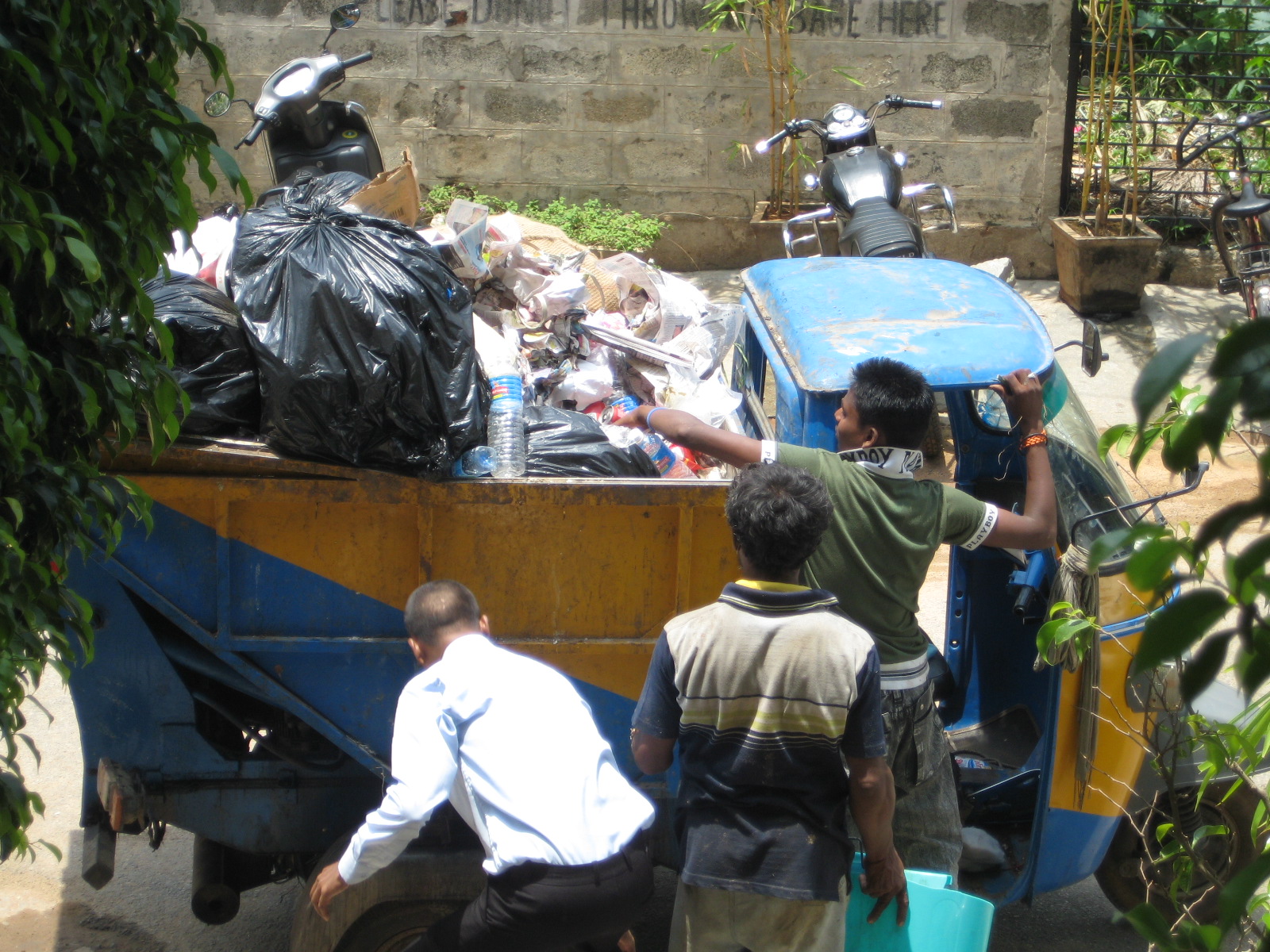
Then there’s another from BBMP, I see from my third floor apartment. He comes on the open garbage truck, a small one to pick up garbage from the apartment building opposite mine (there are 24 flats there). The building has three long drums which are filled upto the brim with all kinds of icky stuff—polythene bags full of kitchen waste, toilet paper, condoms, leftover curry gone bad and dust. He puts his naked hands into this middle class garbage and efficiently separates the non-biodegradable, the tetra packs, mulchy polythene bags, Styrofoam cups and recyclable waste.

A middle class man who lives in the apartment sees him and makes a face full of disgust. A lady with a little child, walks by, crinkling her nose at the awful smell. And I, clean and distant from the scene, on my third floor balcony, wonders how someone who deals with other people’s shit, can smile so beautifully.

A ghostly detective workshop schedule

Kartik, Opus and Tashi, the three curious kids in the book The Ghost Hunters of Kurseong have many adventures. Unfortunately, the printed form of a novel could contain only one. Since the three kids have solved many other mysteries in my head since then, I thought, why not use different mediums to explore them? So I created a detective case for kids to solve.

Mrs Bannerjee’s diamond necklace is missing. Timpu, the security guard who has been arrested says it was Golu’s ghost who did it. Who stole the necklace? Where is it now?

I will be doing this workshop in Delhi and Bangalore all through November and then December and January. So if you a curious lot and keep looking out for a mystery  to solve, don’t miss the opportunity. My schedule for the workshop is below:

A ghostly detective workshop

BANGALORE

UPCOMING! January 25 (11AM), Lightroom Bookstore, Wheeler Road (open to public. Registration required. Please contact Lightroom Bookstore 080-25460466. Charges, Rs 150/child)

December 7 (4PM), Atta Galatta, Koramangala (open to public)

November 30 (11.30AM), Hippocampus (open to public)

DELHI

With Hachette India

November 20 (11AM), Ambience Public School, Safdarjung (Not open to public)

November 14 (8AM), Mount Abu Public School, Rohini (Not open to public)

As part of Bookaroo festival for kids

November 12 (10.15AM), Kendriya Vidyalaya, Masjid Moth (Not open to public)

November 11 (9AM), Sardar Patel Vidyalaya (Not open to public)


Diwali and book reviews

Ahh that time of the year again when one feels that she has just been churned out in a mixie and then put into a washing machine without washing powder. The only thing that was keeping me sane was that I was in the mountains. When I got down into the plains, these lovely reviews awaited me. The grins are on! Happy Diwali dear readers!

“Packed with equal amounts of humour and adventure, Shweta Taneja’s debut children’s novel makes for an entertaining read.” – Time Out Bengaluru 

“While the adults in this story play crucial roles, it’s the kids who carry the plot forward and that should appeal to the young readers.” – literarygrandrounds.com

“It was an entertaining and well paced book, keeping the reader engaged as the plot thickens and the mystery slowly unravels.” – thereaddicts.blogspot.in