Shweta Taneja writes fiction and science for kids and adults. Her bestselling works include a unique two-in-one flipbook which covers real stories of Indian scientists: They Made What? They Found What?, graphic novel Krishna: Defender of Dharma and critically-acclaimed fantasy fiction series Anantya Tantrist Mysteries. She was a finalist in the prestigious French award Grand Prix de l’Imaginaire, AutHer 2022 award and has been awarded Editor’s Choice Award for best Asian science fiction. She is a Charles Wallace Writing Fellow and has given talks at international SF conferences including WorldCon at Dublin, Eurocon in France and the Cartoon Museum at London. Her work has been translated to Romanian, French and Dutch. Find her online with her handle @shwetawrites
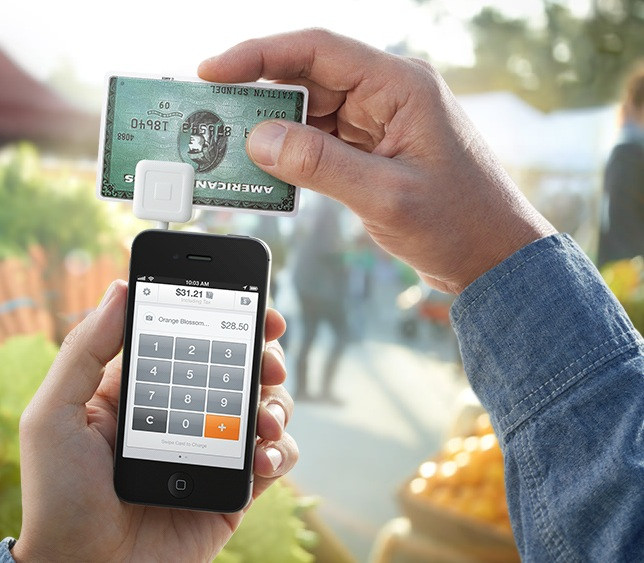
With clients across the world and in different time zones, Delhi-based chartered accountant Shitij Bahl, who runs his own taxing and accounting firm, needs to keep a lot of information handy on his phone when he’s travelling.
“You never know when I will get an urgent request from a client to see all their documents. The whole 30 MB of it,” says the 33-year-old. He relies on mobile apps to respond quickly and efficiently—Google Suite to organize team schedules and track projects; Zoho Invoice to send GST-integrated invoices quickly; and Dropbox, where he keeps all client data so it can be shared efficiently with just a link. If, like Bahl, you tend to travel on work, here are a few essential apps to keep handy.
A toxic workplace is defined as a place which encourages bullying, snitching, excessive competition, backbiting and arm-twisting, according to Ernesto Noronha, professor, organizational behaviour, Indian Institute of Management (IIM), Ahmedabad. “Companies which deprive people of minimum wages, don’t pay overtime, offer no work-life balance, have long working hours, don’t adhere to labour laws, have autocratic bosses, encourage favouritism and lack of communication are a bad environment to work in,” says Prof. Noronha, who has extensively researched corporate bullying cultures in India.
Any of this sounds familiar? Watch out for these seven tell-tale signs of a toxic workplace. And if you’re trapped in such an environment at work, but don’t want to quit because the work profile and money are good, or for lack of better options, here’s what you can do about it.
Toxic Workplace Sign 1: You are being bullied
It could be a manager, a colleague or even your whole team emotionally abusing you, being aggressive, or intimidating you through direct or virtual communication. “This behaviour can cause you grave harm as it makes you feel powerless,” says Premilla D’Cruz, professor of organizational behaviour at IIM, Ahmedabad.
Fix it: Prof. D’Cruz recommends confronting your oppressor, telling him/her that this needs to stop now. If the bully is your manager, take your colleagues into confidence and confront the manager together. Sometimes, giving an ultimatum is enough.
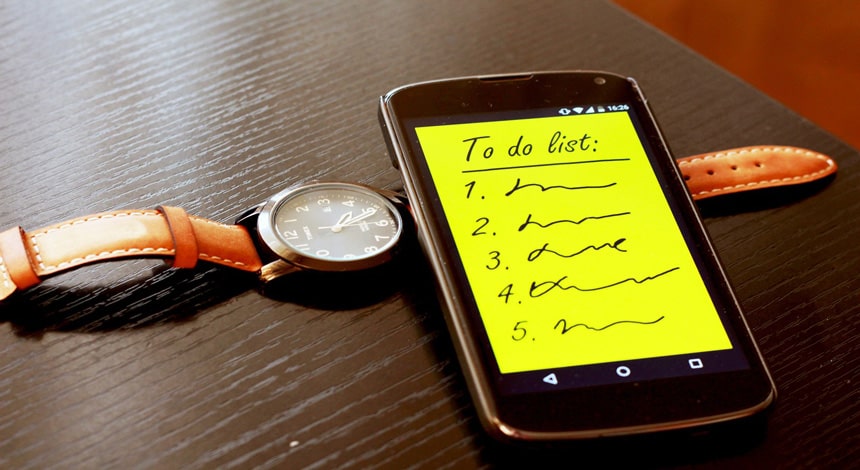
What’s the simplest way to boost your productivity? With December, the party month, right around the corner, are you looking for ways to finish work earlier than usual? Do you find yourself struggling to meet deadlines? Are you having trouble keeping track of the day’s tasks? Or are you working longer hours to clear that pile of work so that you can head out on that year-end vacation? Here are a few apps to help you get organized and finish your work faster.
Asana
Are you constantly on the phone, giving instructions to your team? Manage them with Asana, a business app that lets you assign tasks to team members and track if these have been done. You can set up tasks, to-do lists and reminders, and comment on items or send images to the team. In addition, you can integrate the app with Dropbox, Slack, Okta.Github, Google Drive and Chrome.
Freemium plans from $9.99 (around Rs643) per person per month. Web, iOS, Android. Asana.com
Set to a pulsing rhythm of 10 tracks, BodyPump is a workout routine that uses High-Intensity Interval Training (Hiit). In 2012, Sanjay Reddy was 23 years old and weighed 168kg. “Even for my 6ft, 3 inches height, that was obese,” he says. Bored of a gym routine, he joined Cult Tribe, a fitness centre in Bengaluru. That’s when he was introduced to BodyPump, an exercise routine put together by New Zealand-based fitness company Les Mills International.
“It was a group workout of 15-20 people with weights, set to the latest DJ songs, with constant motivation by the instructor. The music, the healthy competition within the class and the energetic movement with weights completely pumped me up, leaving me with an exciting, happy feeling,” he says.
BodyPump makes you shed weight fast
Three years later, he had shed the flab and was happy about the way the workout had changed him physically and mentally. In 2015, he participated in a Les Mills workshop in Hyderabad and became a freelance instructor for BodyPump.
Set to a pulsing rhythm of 10 tracks, BodyPump is a workout routine that uses High-Intensity Interval Training (Hiit). It is specifically designed to help build lean muscle and strength, and improve your fat-burning ability, Reddy says. It’s also the ideal workout for anyone who wants to strengthen their muscles without gaining that bulky bodybuilder look.
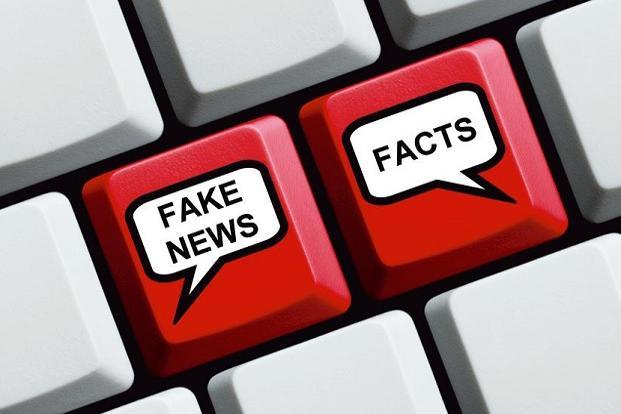
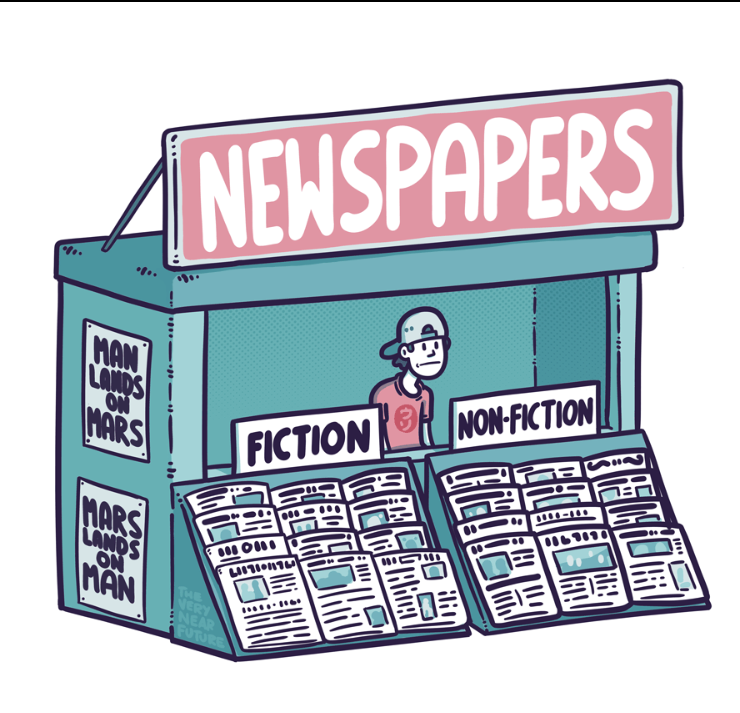
Fake news is not a new phenomenon but social media platforms have made it much easier to spread rumours and lies.
During the demonetization move in November 2016, a WhatsApp forward convinced people, and even news channels, that the new Rs2,000 note came embedded with GPS trackers. The story turned out to be false.
According to a report in March by the Internet and Mobile Association of India (IAMAI), the number of internet users in India was expected to cross 450 million by June—241 million have Facebook accounts and over 200 million are on WhatsApp.
Be aware of fake news
Many of these users have been mobile-first users of the internet, so they are not aware of the fake email forwards and online frauds of the desktop era. They tend to think the messages they get are genuine.
It’s important to know the difference between what’s real and what’s not.
It doesn’t help that most fake news operators do not write stories that sound obviously false. They work with half-truths, turning them into believable news. “They fudge the numbers, Photoshop images, take a photo from an old source or from another country and try and sell it as statistics or a photo of something that it is not,” says Sandeep K. Shukla, head of department, computer science and engineering, at the Indian Institute of Technology, Kanpur, and project investigator at the institute’s Center for Cybersecurity and Cyber Defence of Critical Infrastructure, a centre for research on cybersecurity.
“On Facebook and WhatsApp, people share news that looks scary, spicy or confirms their bias without even reading it.”
Professor Sandeep K Shukla
The tools for building fake stories are getting more sophisticated. A research paper by professors at Stanford University and the University of Erlangen-Nuremberg, published in 2016, demonstrated how a new video-making tool can now recreate an old news clip of a politician by changing both the expression and content. Audio advancements mean you only need 20 minutes of a voice recording to replicate it.
To counter this menace, multiple fact-checking organizations have come up, all of them trying to get to the source through filtering tools, automation and collaboration. Internet giants like Facebook and Google have tied up with fact-checking organizations to check the news they show on their feeds. In September, Facebook ran advertisements in newspapers in India, Kenya and Britain, detailing tips on spotting fake news. “The future looks positive with auto-checking of suspect stories, data mining and probabilistic reasoning,” says Shukla.
Proud to announce that The Daughter That Bleeds, a short story I wrote, that has been published in The Best Asian Speculative Fiction 2018, has been awarded the Editor’s Choice Award.
All of 2018, as I prepared The Rakta Queen for publishing and moved countries, I’ve been busy typing away hilarious, maddeningly weird feminist speculative fiction stories. The Daughter That Bleeds was one of them and it was a glad moment for me when it got selected for this prestigious anthology.
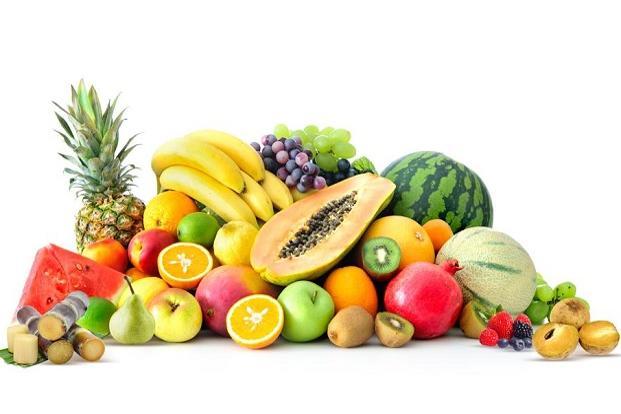
Fruit is an important nutrient in your diet, however, when to eat it is important too. Have you been waking up to a breakfast of chikoos and chai? Munching on an apple as a midnight snack? According to experts, you’re eating the right fruit but your timing is wrong. There’s a popular belief that healthy food can be eaten whenever you want. Experts say this is not true.
To get the maximum benefits, they say, fruit should be eaten between meals, not along with lunch or dinner. That is because fruits slow down digestion, says Luke Coutinho, doctor of alternative medicine and founder of the health start-up Pure Nutrition.
Eat fruits between meals, say experts
“If you want to eat healthy, what matters is how much of what you eat is absorbed by your body. Tea and coffee have substances like tannin and caffeine that hinder absorption of the nutrients you find in fruits like banana and chikoos. In fact, fruits are best absorbed on an empty stomach, early morning, as a snack between two meals, or before or after a workout to refuel your body,” says Coutinho.
One day, among other emails, I received one from Galaxies, a French fanzine. I had been invited to Eurocon, Europe’s largest convention for science fiction and fantasy, to give a talk on my novel The Rakta Queen: An Anantya Tantrist Mysteryand the Indian fantasy and science fiction scene in general. With glee, I prepared for the talk, packed my bag and jumped into the 500-km/hour train from my home in Zurich to Paris, taking another hour-long train to Amiens, a small town in France where the festival was being held. It was in Amiens that Jules Verne, the fantastic author of the 1900s, lived and wrote most of his marvellous works.
The festival was overwhelming and an eye-opener in many ways, including how welcoming the science fiction and fantasy community in Europe can be. Not only did I meet talented authors as well as passionate and curious readers who love the genre, but I also understood that no matter where you’re based, if you’re a science fiction author and not part of the top 0.1 percent, you are struggling. And humility goes a long way in endearing yourself to anyone.
Here then are a few lessons I learned.
Lesson 1: Learn to do everything on your own, including setting up equipment for your talk
There was a time when Sriram Rajamani’s 1-hour, 30-minute commute to work from north Bengaluru to the centre of the city felt like a complete waste of time. Today, multi-screen devices help him use the time advantageously. “While my driver braves the traffic, I work on my laptop with a tethered connection via my phone and use it to answer emails, schedule the day’s meetings and get work done,” says Rajamani, managing director, Microsoft Research India Lab.
With the emergence of new technologies, we are all becoming multi-screen creatures, moving from one device or screen to another for all sorts of activities in a typical day. Multi-screen behaviour has become the norm, according to a 2012 consumer insight study by Think With Google, Google’s research arm on data insights. The study suggests there are two main modes of multi-screening—sequential screening, with people moving between devices, and simultaneous screening, with them using multiple devices simultaneously.
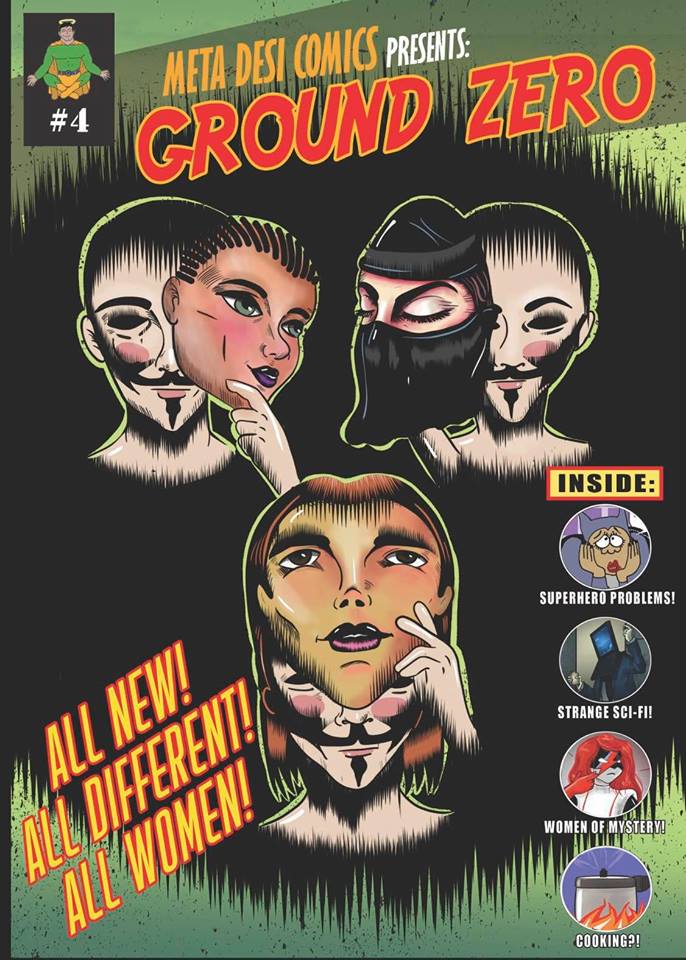
So excited to announce release of “The Obsolete Baby”, a whimsical and darkly funny short comic short I scripted that deals with giving birth and our obsession with technology. Illustrated by artist Kavita Nambissan, it releases in Ground Zero fourth volume by MetaDesiComics.
It’s an all women creator anthology and kind of answers a question on where are women artists when it comes to comics. Other than my story, the anthology includes Blond Bonanzas – a surreal and potato-filled journey into the unknown, written by Simona Terron and Aishwarya Tandon; Batperson and Kitten, a mini-comic full of fun, written and drawn by “Suki” and Manjula Padmanabhan, and a neurofuristic to-be-revealed-title by Ridhi Batra and Tanushree Majumdar.
Grab a copy at one of the ComicCon India booths, or online.